

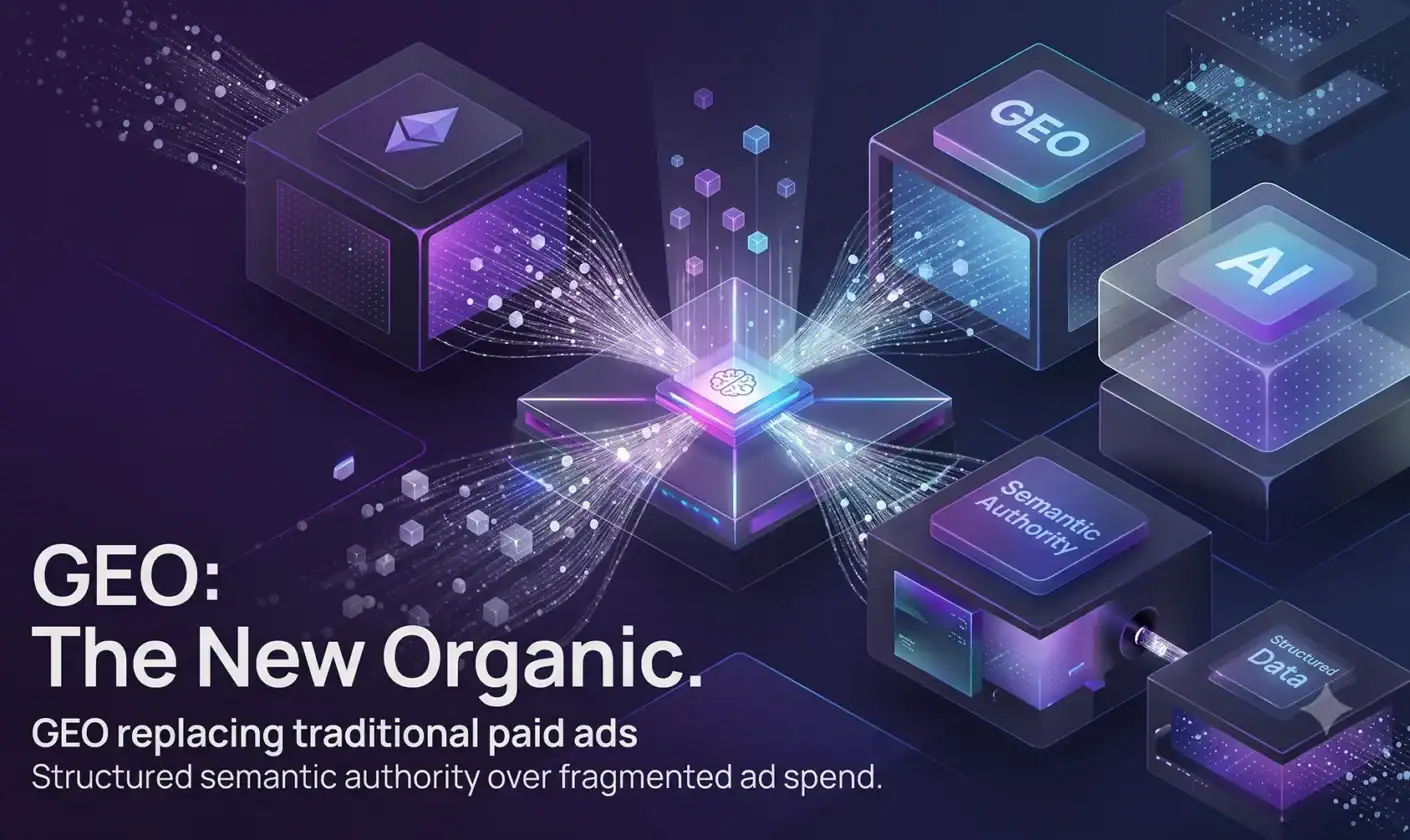
The Death of Spray-and-Pray Ad Budgets
For years, digital advertising relied on an arbitrage game: bid on high-intent keywords, flood programmatic display channels, and pay escalating customer acquisition costs (CAC). Today, as AI-driven search, conversational answer engines, and LLM-powered interfaces intermediate user search intent, the traditional digital advertising playbook is hitting diminishing returns.
B2B enterprises and consumer brands alike are seeing ad clicks get more expensive while intent fragments across closed AI platforms. Winning market share no longer means simply buying visibility—it requires structuring your brand authority so that generative systems cite, recommend, and surface your business as the definitive solution.
“I asked to have the area rebuilt and they were very prompt! Mud and texture came out great! Would highly recommend!”
Customer, Royal Ins
The Shift from Keywords to Semantic Authority
To capture high-value commercial demand in the current advertising landscape, brands must pivot from isolated PPC tactics to an integrated Generative Engine Optimisation (GEO) and performance media model:
- Entity-Based Brand Architecture: Algorithms and AI models do not evaluate isolated keywords; they evaluate entity relationships. Your digital footprint must explicitly validate who you are, what you solve, and why your authority is verified across credible third-party nodes.
- First-Party Data Infrastructure: Privacy crackdowns and browser cookie deprecation make third-party tracking obsolete. Strategic advertising now relies on proprietary conversion tracking, CRM integration, and first-party customer signals.
- High-Intent Commercial Proof: Buyers rely less on generic landing pages and more on deep, technical case studies and proprietary data points that AI answer engines digest directly.


Advertising is no longer about shouting the loudest; it is about embedding your brand so deeply into industry knowledge graphs that your solutions become the default recommendation.